Secondary Glazing for Listed Buildings: A Complete Guide to Comfort and Conservation

by Emma Newton
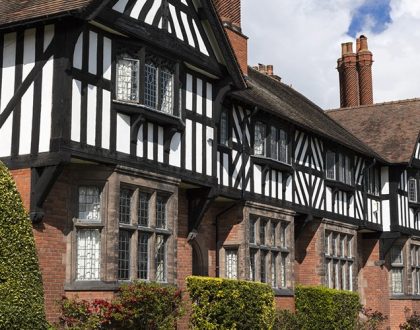
Listed buildings are buildings of special architectural or historical interest with legal protection, organised into three grades based on their importance:
• Grade I: Exceptional interest (2.5% of listed buildings).
• Grade II*: More than special interest (5.8%).
• Grade II: Special interest, the most common grade (91.7%).
Listed buildings are protected for a reason, and carrying out works to a listed building without listed building consent is a criminal offence. It may also be necessary to apply for planning permission, in addition to listed building consent, to carry out works to a listed building.
Owning a listed building is something to be proud of. These homes and buildings are full of character, history and craftsmanship that simply can’t be replicated today. But they also come with their own challenges, particularly in terms of comfort, noise, heat loss, and condensation. If you’ve ever sat by a beautiful original window on a cold day, listened to traffic through single glazing, or worried about condensation affecting historic frames, you’re not alone.
This guide brings together everything you need to know about secondary glazing for listed buildings: why it’s often the preferred solution, how it works, and how it can improve comfort while respecting the fabric of your property.
What Is Secondary Glazing?
Secondary glazing is an additional internal window system installed on the room side of your existing windows. It works by creating a discreet insulating layer between the original glazing and the secondary pane, achieving a double-glazed effect without replacing your original windows.
Why Secondary Glazing Is Ideal for Listed Buildings
Meets Listed Building Regulations
Original windows often form a key part of a building’s historic and architectural value, so replacing them is usually restricted or outright prohibited. Secondary glazing does not replace or alter the original windows. The historic frames, glass and external appearance remain untouched, making it one of the most sympathetic and widely accepted ways to improve comfort in listed and heritage properties.
Because secondary glazing is installed internally, reversible, and non-invasive, it is commonly supported by conservation officers and planning authorities. If future owners want to remove it, the original windows remain exactly as they were. Modern secondary glazing systems are designed to be slim, discreet and sympathetic to period interiors. When installed properly, they sit quietly in the background, preserving sightlines, mouldings and detailing.
Secondary glazing systems, such as Hinged Units, Balanced Vertical Sliders, Horizontal Sliders, and Lift-Outs, allow full access to the original windows for cleaning and maintenance.
In short, Secondary glazing offers a solution that works with the building, not against it.
Improves Energy Efficiency
Historic single-glazed windows are among the biggest culprits of heat loss in listed buildings, resulting in uncomfortable living conditions and higher energy bills.
By adding an extra glass layer, secondary glazing can improve thermal insulation by up to 65%. With less heat escaping through your windows, you won’t need to rely on your heating system as much. Over time, this can lead to noticeable savings on your energy bills.
Improves Sound Insulation
Older, single-glazed windows don’t just let heat out; they let in exterior noise. Traffic noise, street activity, aircraft and rail noise can all disturb a peaceful home. Installing secondary glazing creates multiple barriers for sound to travel through, reducing noise intrusion by up to 80% or by over 50 dB.
The primary goal when installing secondary glazing is to create as much space as possible between the existing glass and the new secondary glass. The larger the air gap, the better the soundproofing performance; at least 100mm is ideal. Where space is limited, a thicker glass will help.
Improves Security
Security can be a sensitive subject in listed buildings. Original windows are often beautiful, but they weren’t designed with modern security concerns in mind. Single glazing, ageing frames and traditional fittings can leave properties more vulnerable than homeowners realise.
Secondary glazing creates a second interior barrier behind the original window. This means that an intruder must get through two separate window systems, making access more difficult and time-consuming and therefore acting as a perfect deterrent to break-ins. Clearview’s heavy-duty hinged units incorporate multi-point locking and robust handles, making them the perfect solution for anyone wanting to increase security.
A Clearview customer described a failed break-in after their secondary glazing was installed: “We had an attempt to break in a couple of weeks ago; they managed to force one of the outside windows, and if it hadn’t been for the secondary glazing, we’d have been broken into. So, the bonus was the security the secondary glazing offers.”
Reduces Condensation
In listed buildings, condensation isn’t just a comfort issue; it can also be a conservation concern. Over time, repeated moisture can:
• Damage original timber frames
• Cause paint and finishes to deteriorate
• Increase the risk of mould and rot
Secondary glazing reduces condensation by:
• Creating warmer internal glass surfaces
• Sealing the gaps that cause draughts
• Reducing cold spots where moisture is likely to form
• Creating a chamber between the two windows where moisture absorption products can be placed.
By reducing condensation, secondary glazing helps protect the original materials that give listed buildings their character.
In Conclusion
Living in a listed building comes with unique rewards; its character, history and charm are truly unmatched. But it also brings challenges: draughty windows, external noise, condensation, and the need to protect delicate historic fabric.
Secondary glazing offers a thoughtful solution. It improves thermal comfort, sound insulation, security, and condensation control, all while preserving the original windows and the character of your home. Discreet, reversible, and sympathetic, it allows you to enjoy modern comfort without compromising the heritage that makes your building special.
If you’re ready to explore the benefits for your listed building, a specialist can guide you through the options that suit your windows, your lifestyle, and your conservation requirements. With the right approach, it’s possible to balance history and modern living perfectly.