Condensation Inside Double-Glazed Windows: Causes and Solutions

You’ve noticed a misty patch on your double-glazed window. It won’t wipe away from either side. That haze, trapped between the two panes of glass, is condensation. And it means the window seal has failed.
This guide explains what causes it, how serious it is, what your options are for fixing it, and why secondary glazing is often a better answer than replacing the window entirely.
What Condensation Inside Double-Glazed Windows Actually Means
Not all window condensation is the same problem. There are three distinct types, each with different causes and solutions.
Surface condensation on the room-facing pane is the most common kind. You see it on cold mornings: a film of moisture on the inside surface of the glass, caused by warm, humid indoor air meeting a cold window surface. This is covered in detail in our guide to wet windows in the morning. It’s manageable through ventilation and, more permanently, through secondary glazing.
Condensation on the outside of the window appears on the external surface, typically on cool, clear mornings. This is actually a sign that the window is working well thermally. The outer pane is cold because heat is not escaping through it. It clears as the day warms up and needs no action.
Condensation between the panes of a double-glazed unit is the problem this article addresses. The mist is trapped inside the sealed unit itself, between the two panes of glass. You cannot reach it to wipe it away. It means the hermetic seal around the perimeter of the double-glazed unit has broken down.
When the seal fails, atmospheric moisture enters the cavity. The silica desiccant beads built into the spacer bar absorb moisture until they are saturated, after which condensation becomes visible as a permanent haze or running droplets between the panes.
Why Double-Glazed Windows Develop Condensation Between the Panes
A double-glazed sealed unit is designed to last 20 to 25 years under normal conditions. The silicone or polysulphide seal that holds the two panes together degrades over time through a combination of factors.
UV exposure breaks down the seal’s elasticity year by year. Thermal expansion and contraction, as the glass and frame expand in summer and contract in winter, stresses the seal at the edges. Poor original installation or a physical impact can accelerate the process. Once a small breach develops in the seal, the process is gradual but irreversible: more moisture enters, the desiccant saturates, and condensation becomes visible, first in certain temperatures or low light, then permanently.
This typically happens on windows installed 15 to 25 years ago. If your windows are in that age range and you’re starting to see intermittent misting between the panes, the seal is in its final stage.
Is It a Health or Structural Problem?
A failed window seal is not an immediate structural risk. The glass is still held in the frame, and the window continues to function. But there are real practical consequences.
The insulating gas trapped between the panes, typically argon or air, has escaped. The window has lost most of its thermal performance. What felt like a well-insulated window is now performing closer to single glazing. Your heating has to work harder to compensate.
Over time, moisture between the panes can cause frame deterioration, particularly in timber frames, and can lead to mould in the surrounding reveals or on the frame itself. The visual impact also worsens: what starts as occasional misting can become a permanent, opaque haze.
Your Options for Fixing Condensation Inside Double Glazing
There are three practical routes. Each has different cost, disruption, and durability implications.
Repair the sealed unit. Specialist services exist that drill through the glass to drain the moisture and reseal the unit. The results are variable. Without replacing the desiccant and properly hermetically resealing the unit, the moisture often returns within a year or two. This is rarely a cost-effective long-term fix.
Replace the glazed unit. A glazier removes the existing double-glazed sealed unit from the frame and inserts a new one. This keeps the existing frame and is less disruptive than full window replacement. It is the most common fix, but it requires a glazier to be on-site for each window; decorations may be disturbed, and costs accumulate across a house with multiple affected units.
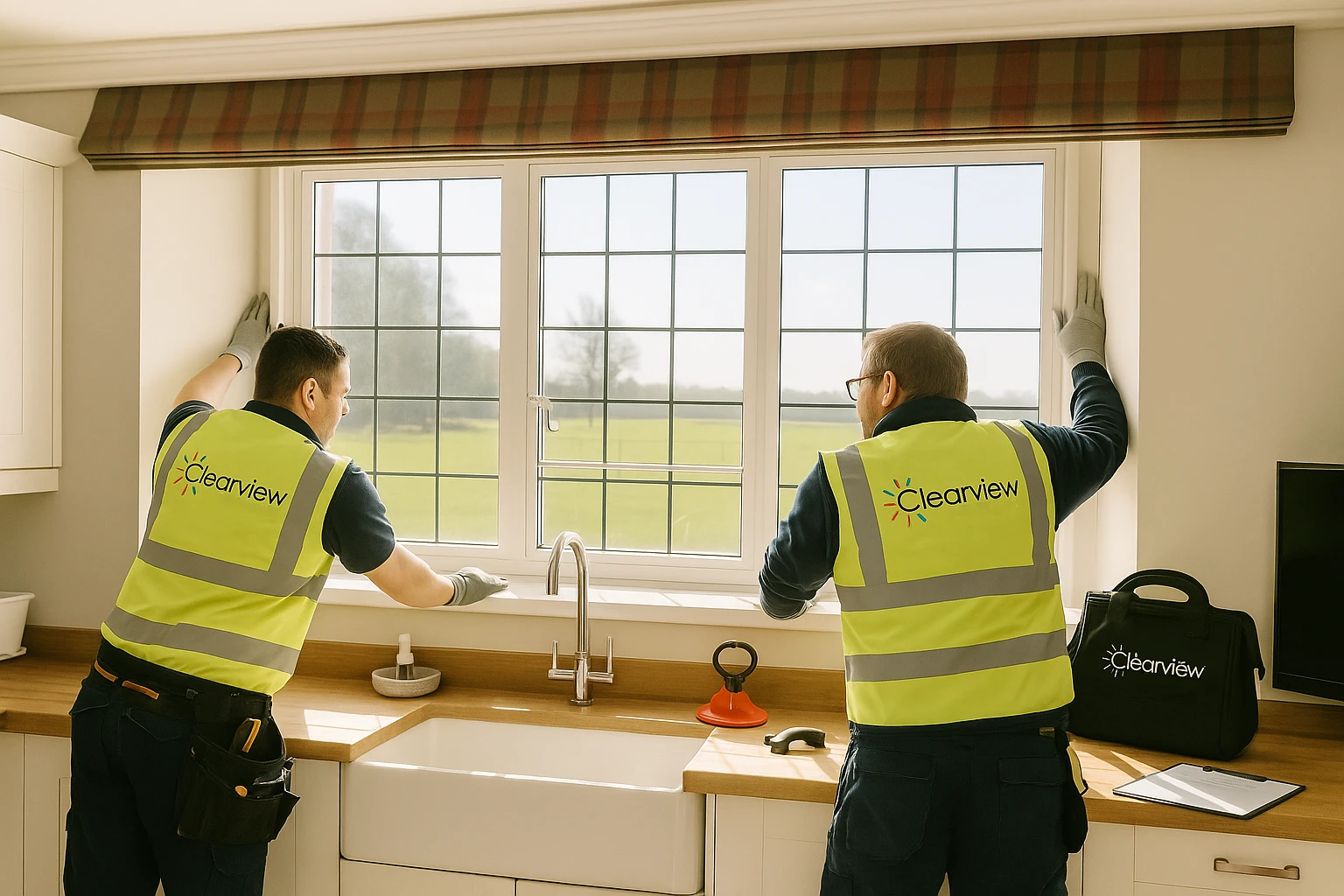
Fit secondary glazing. A Clearview secondary glazing panel is installed on the room-facing side of the existing window. This creates a new inner pane, delivering a fresh thermal and acoustic barrier. The existing double-glazed unit remains in place, whether misted or not. The secondary panel addresses the thermal loss, eliminates or significantly reduces surface condensation, and removes the visual impact of the misted unit from the room-facing side.
How Secondary Glazing Addresses the Condensation Problem
Clearview secondary glazing creates an insulating air gap on the inside of the existing window. This warms the inner surface, reducing the temperature differential that draws moisture. Based on research informed by guidance from the Insulation Glazing Association and the Ministry of
Public Building and Works, our products eliminate or significantly reduce condensation on windows in the vast majority of cases.
The secondary panel also covers the misted double-glazed unit with a clear inner pane, removing the visual problem from the room side entirely.
Our units achieve a certified U-value of 1.868 W/m²K, delivering thermal performance equivalent to double glazing and up to a 65% improvement versus single-glazing. For thermal insulation secondary glazing, the insulating air gap is the key mechanism.
Secondary glazing is also the preferred solution of historic environment officers for secondary glazing for listed buildings and conservation areas, where window replacement is typically prohibited. For older properties with period windows, it is usually the only compliant option.
Cost: Secondary Glazing vs. Window Replacement
Secondary glazing is significantly cheaper than window replacement, whether unit-only or full replacement.
A Clearview unit for a standard 950mm x 1800mm sash window starts from approximately £295. The equivalent uPVC double-glazed sash replacement unit for the same opening runs to approximately £650. One of our customers replaced secondary glazing on their home at £800 including VAT, against a local glazing company quote of over £1,650 including VAT for equivalent unit replacement. The saving exceeded £850 on a single property.
The return on investment through reduced heating bills typically falls within 3 to 8 years, after which the thermal improvement generates a net saving on your energy costs. Our secondary glazing condensation solution page gives more detail on the economics.
FAQs
Why is there condensation inside my double-glazed windows?
Condensation between the panes means the hermetic seal of the double-glazed unit has failed. Once moisture enters the sealed cavity and the desiccant beads are saturated, condensation appears as a permanent haze between the glass panes. It cannot be wiped away from either side. The unit seal has reached the end of its lifespan, typically after 15 to 25 years.
Can condensation inside double glazing be fixed without replacing the window?
Yes. Secondary glazing installs a new inner panel on the room-facing side of the existing window, creating a new thermal barrier without touching the existing frame or double-glazed unit. It addresses the thermal loss and surface condensation caused by the failed seal. For secondary glazing for sash windows and period properties, it is often the most practical and cost-effective fix.
Does secondary glazing stop condensation on windows?
In the vast majority of cases, yes. The insulating air gap created by secondary glazing warms the inner surface of the existing window, reducing the temperature differential that causes surface condensation. Clearview cannot guarantee a total cure in every case, but the reduction or elimination of surface condensation is achieved in the large majority of installations.
How long does condensation between double-glazed panes last before it gets worse?
Once the seal has failed and the desiccant is saturated, the condensation is permanent and tends to worsen over time. Early signs are intermittent misting in cold conditions. Later, the haze becomes constant. There is no self-correction. Acting sooner keeps the problem from progressing to frame deterioration or mould.
Is condensation between double-glazed panes covered by warranty?
Double-glazed units typically carry a 10-year warranty from installation. If your windows are within warranty and the seal has failed, contact the original installer. If the windows are beyond warranty, you are responsible for the repair. Clearview’s secondary glazing units carry a 10-year guarantee on aluminium frames and glazing, independent of the existing window’s condition.
Recommended Posts
How Long Does Secondary Glazing Last?
24/04/2026