How Secondary Glazing Helps Landlords Hit Minimum Energy Standards

The rental property landscape is changing rapidly, and energy efficiency has moved from being a nice-to-have to an essential legal requirement. For private landlords, social landlords, and housing associations across the UK, the pressure is on to upgrade properties to meet the Minimum Energy Efficiency Standards (MEES). If you’re managing properties currently sitting at EPC band E or below, the 2030 deadline for achieving band C might feel daunting. However, there’s a practical, cost-effective solution that’s helping landlords bridge this gap: secondary glazing.
Understanding the Minimum Energy Efficiency Standards
Since April 2020, it has been unlawful to let properties with an EPC rating below E unless a valid exemption applies. The regulations initially targeted new tenancies from April 2018 before extending to all existing tenancies two years later. Now, the bar is rising further. By 2030, all rental properties will need to achieve a minimum EPC rating of C, with new tenancies likely requiring this standard from 2028 onwards.
For landlords with older properties, particularly those with single-glazed windows or limited insulation, this presents a significant challenge. The average cost of upgrading properties to meet the C standard is estimated at between £6,100 and £6,800 by 2030. With potential penalties of up to £30,000 for non-compliance, finding affordable yet effective improvement measures has become critical.
Why Windows Matter for Your EPC Rating
When it comes to energy performance, windows play a surprisingly significant role. Up to 30% of a building’s heat is lost through its windows, making them one of the most impactful areas to address when improving thermal efficiency. The new EPC framework places greater emphasis on fabric performance, including insulation and glazing, rather than simply focusing on heating systems.
For properties with single glazing, this is particularly problematic. Single-glazed windows in a wooden frame typically score a U-value of 4.80W/m²K in EPC assessments. In contrast, modern double glazing achieves around 1.4W/m²K. This substantial difference can be the deciding factor between passing and failing your minimum energy standards.
The Secondary Glazing Solution
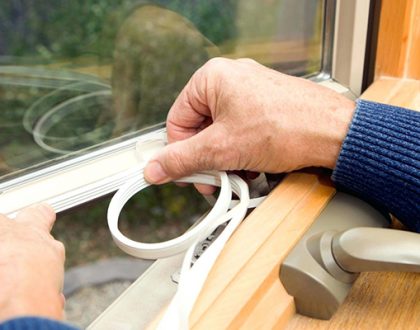
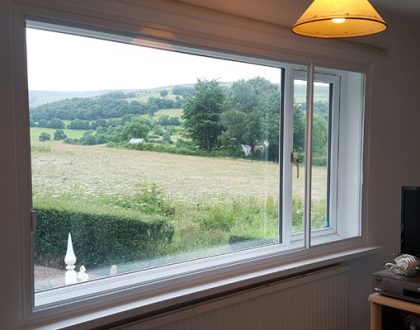
Secondary glazing offers a practical middle ground that addresses thermal efficiency without the disruption, cost, or planning complications of full window replacement. The system works by installing a discreet internal window on the inside of your existing windows, creating an insulating air gap of typically 100mm to 200mm between the two panes.
This air cavity is the secret to its effectiveness. By creating an additional thermal barrier, secondary glazing can reduce heat loss by up to 65%, significantly improving your property’s thermal performance. When fitted with Low-E glass, which includes a reflective coating to direct heat back into the room, secondary glazing achieves U-values between 1.8 and 2.9W/m²K, depending on the specification. This brings the performance remarkably close to standard double glazing at a fraction of the cost.
Benefits Beyond Compliance
Whilst meeting MEES regulations is essential, secondary glazing delivers additional benefits that improve both tenant satisfaction and property value. The same air gap that provides thermal insulation also offers exceptional acoustic performance, reducing external noise by up to 80% or 54 decibels. For properties near busy roads, railways, or in city centres, this can transform tenant comfort dramatically.
Tenants living in warmer, quieter properties are more likely to renew their tenancies, reducing void periods and the associated costs of finding new tenants. The improved comfort also justifies rental increases, with some landlords reporting they can charge £80 to £150 more per month following secondary glazing installation. Over time, this rental premium can significantly offset the initial investment.
Additionally, secondary glazing enhances security without compromising aesthetics. The robust aluminium frames and toughened glass provide an extra layer of protection, addressing tenant concerns about safety whilst maintaining the property’s character.
Perfect for Period Properties and Conservation Areas
For landlords managing properties in conservation areas or listed buildings, secondary glazing offers unique advantages. Planning restrictions often prohibit replacing original windows with modern double glazing, leaving landlords in a difficult position when trying to improve energy performance.
Secondary glazing is installed entirely on the interior, leaving the external appearance of the property unchanged. This reversible solution typically doesn’t require planning permission and complies with conservation regulations whilst still delivering the thermal improvements needed for EPC compliance. Granada’s secondary glazing has been successfully installed in numerous Grade II listed properties, including Oxford University’s Radcliffe Science Library, where it improved thermal insulation by up to 65% whilst preserving the building’s architectural character.
Getting Started
The key to successfully using secondary glazing for MEES compliance is planning ahead. With the 2030 deadline approaching and the likelihood of increased demand for installation services, landlords who act now benefit from lower costs and greater availability of installers.
Start by obtaining an up-to-date EPC assessment to understand your property’s current rating and identify the specific improvements recommended. An energy assessor can model the impact of secondary glazing on your particular property before you commit to the investment, ensuring you understand exactly how many EPC points you’ll gain.
When specifying secondary glazing, opt for Low-E glass to maximise thermal performance. This glass features a coating that reflects heat back into the room, enhancing the U-value and contributing more significantly to your EPC improvement. Discuss with your supplier whether your property would benefit from the maximum 200mm air gap for optimal thermal performance.
The Bigger Picture
As the private rented sector continues to face increasing regulatory pressure around energy efficiency, secondary glazing represents a pragmatic solution that balances cost, performance, and practicality. It addresses the immediate need to meet MEES requirements whilst delivering ongoing benefits in reduced energy bills, improved tenant satisfaction, and enhanced property value.
For landlords managing multiple properties, a phased approach to secondary glazing installation can spread costs whilst systematically bringing your portfolio up to standard. Properties with the lowest current EPC ratings should be prioritised, as these will see the most significant improvements and face the greatest risk of falling foul of regulations.
With over 20 years of experience and as one of the UK’s largest manufacturer of aluminium secondary glazing, Clearview Secondary Glazing has helped countless landlords, housing associations, and social landlords achieve MEES compliance whilst maintaining their properties’ character. Get your free online quote, or contact our team today for help.