Common Secondary Glazing Mistakes (and How to Avoid Them)

Secondary glazing is a brilliant way to tackle heat loss, noise and condensation without replacing your original windows, especially in period or listed properties. But like any home improvement, the results depend on getting the design and installation right from day one. Below, we explore the most common secondary glazing mistakes and how Clearview’s approach helps you avoid them.
Mistake 1: Choosing the Wrong Type of Secondary Glazing
A frequent issue is picking a system that does not suit the primary window or how you actually use the room. For example, fixed panels on windows you need to open regularly, or horizontal sliders on tall sash windows, can quickly become frustrating.
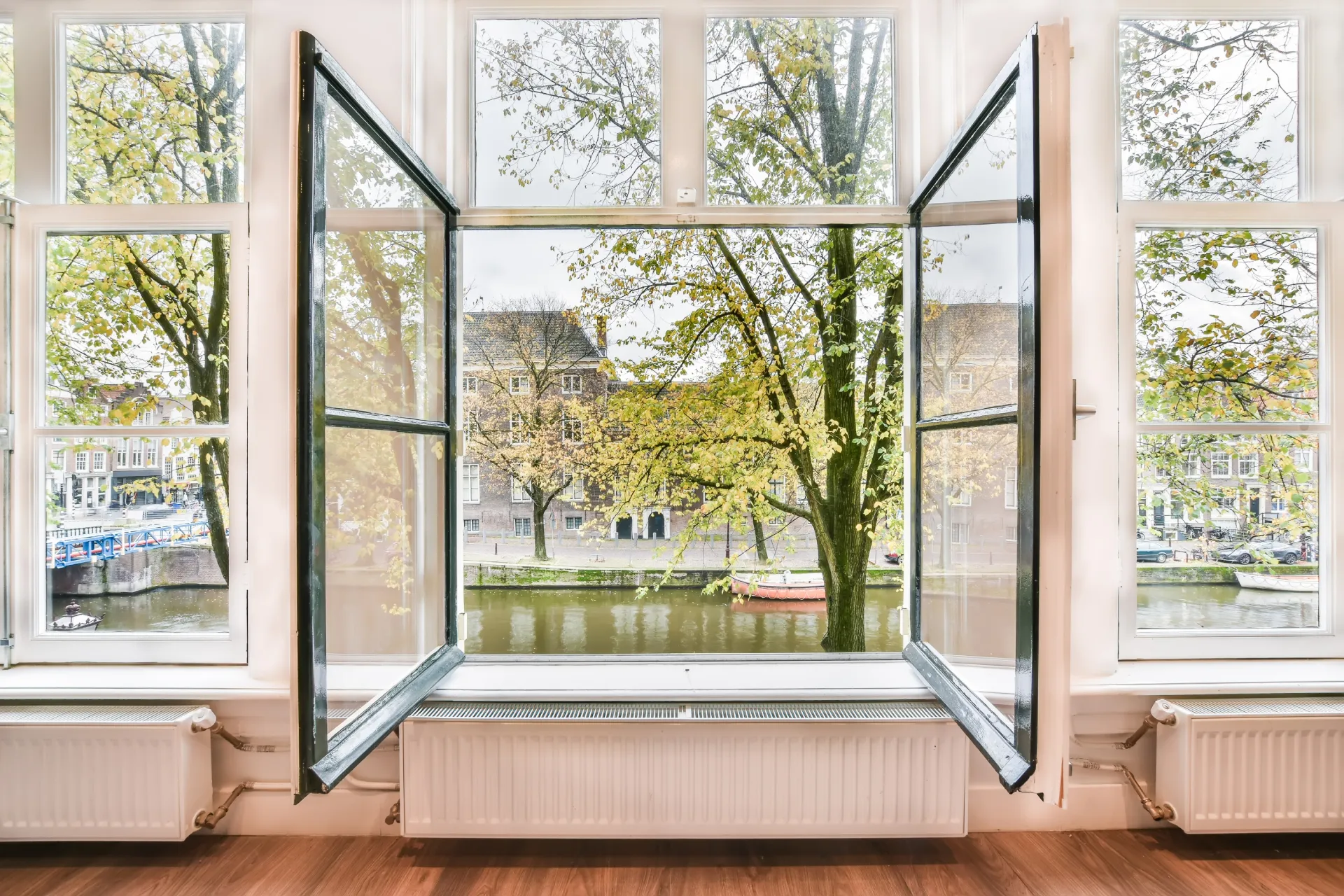
Clearview’s hinged casements work particularly well with outward opening casement windows, while vertical sliders are designed to pair naturally with traditional sash windows. Lift out or fixed units make more sense on decorative windows that rarely need to be opened.
How to avoid it
- Start by assessing your existing windows and how you use them day to day, rather than starting with a product in mind.
- Use guides like our Simple Guide to Secondary Glazing and our overview of different secondary glazing types to match sliding, hinged, lift out or fixed systems to your window style.
- Clearview designs each unit as a bespoke system, so the operation and layout are chosen around your windows and how you live with them, not the other way round.
Mistake 2: Insufficient Air Gap Between the Panes
The air gap between the primary window and the secondary pane is not just empty space – it is a key part of the insulation system. Too small a cavity can seriously limit both noise reduction and thermal performance.
For sound insulation, an air gap in the region of 150 to 200 mm is ideal where the building allows it, with anything above 100 mm still offering worthwhile acoustic benefits. For thermal insulation, you can still see strong gains with more modest gaps of around 50 to 80 mm when combined with the right glass.
How to avoid it
- Consider the reveal depth at the design stage, so there is space for a meaningful air gap, not just enough room to physically fit a frame.
- Where noise is the main concern, Clearview will aim for a wider cavity and can pair this with acoustic glass for reductions of up to around 50 decibels in the right specification.
- If thermal performance is the priority, Low E toughened glass can improve insulation by a further 5 to 10 percent over standard glass, even with a smaller cavity.
Mistake 3: Poor Sealing and Weak Fixings
Secondary glazing that is poorly sealed around the frame or fixed with inadequate materials can let cold air and moisture creep into the cavity, which undermines performance and can create condensation issues. Weak or flexible systems, such as thin magnetic acrylic sheets, are also more prone to gaps opening up under draughts.
By contrast, well fitted aluminium frames with patented seals provide a robust internal barrier that reduces heat loss by 50 to 60 percent and helps keep condensation at bay in most properties.
How to avoid it
- Make sure frames are fixed securely into appropriate substrates and sealed around the perimeter, not just “sat” in the opening.
- Choose rigid aluminium systems over lightweight plastic sheets or basic magnetic panels, which can flex, flap and break the seal over time.
- Clearview manufactures UK made aluminium units with purpose designed gaskets and brush seals, backed by a 10 year guarantee on frames and a further warranty on moving parts when professionally installed.
Mistake 4: Creating Access and Cleaning Headaches
It is easy to focus on performance figures and forget the practical side – how you will open, clean and maintain your windows once the secondary glazing is in place. Fixed panes in front of windows you open every day or heavy lift out panels in hard to reach bays can make daily life awkward.
Clearview’s systems are designed to give you sensible access. Horizontal sliders allow you to slide panels aside and even remove them if needed, while balanced vertical sliders tilt for cleaning, and hinged casements simply open inwards like a door.
How to avoid it
- Think about who will be using the windows, how often you ventilate the room, and how you will clean both the primary and secondary panes.
- Use sliding units on windows you open regularly and hinged casements where full, easy access is important for cleaning or maintenance.
- Clearview’s operation and maintenance guidance, along with features like tilt functions and removable sliders, are all designed to keep cleaning straightforward over the life of the installation.
Mistake 5: Clashing with Curtains, Blinds and Shutters
Another common secondary glazing mistake is treating the window in isolation and forgetting about curtains, blinds, pelmets or shutters. If secondary frames are positioned without considering these, you can end up with blinds that no longer drop properly or shutters that cannot be used at all.
In some cases, existing treatments may need to be moved forward or rethought, particularly where shutters sit tight against the primary window. Getting this wrong can undo the aesthetic of a period room and cause daily irritation.
How to avoid it
- Review every window as part of its wider setting, including tracks, poles, pelmets and any joinery around the reveal.
- Where necessary, Clearview can advise on relocating blinds and curtains or choosing slimmer frame profiles and reveal fixed units to preserve as much of your existing scheme as possible.
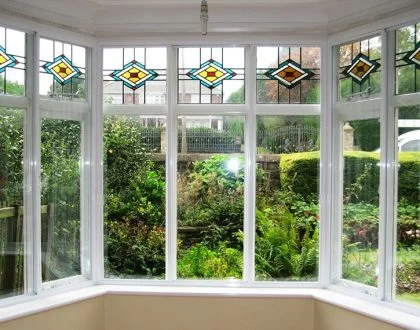
- For heritage and listed properties, our discreet aluminium frames and wide choice of colours make it easier to integrate secondary glazing with traditional interiors without drawing attention away from original features.
Mistake 6: DIY Measuring Errors and Overlooking Complexity
DIY secondary glazing kits can be a cost effective route, but inaccurate measurements and underestimating tricky openings are two of the biggest reasons projects go wrong. If units are ordered too tight, they can be impossible to fit; too loose and you are back to performance issues and visible gaps.
Bay windows, arched heads, out of square reveals and very large panes all add complexity that can catch out even confident DIYers. In those cases, a professional survey and installation can give a better looking result and maintain warranty cover.
How to avoid it
- Follow step-by-step measuring guides and check every dimension at least twice before ordering any made to measure units.
- Be realistic about your skill level: DIY kits work brilliantly for straightforward openings, but more complex windows benefit from Clearview’s survey and installation service.
- All Clearview systems, whether DIY or professionally installed, are pre glazed, manufactured in the UK and covered by a long term guarantee, so you know the product itself is built for the long haul.
Mistake 7: Expecting Secondary Glazing To Fix Every Problem On Its Own
Finally, secondary glazing can dramatically cut heat loss, improve acoustic comfort and reduce condensation, but it is not a magic wand if underlying issues are ignored. Rotten primary frames, severe damp or a lack of ventilation can continue to cause problems even with a high quality secondary system in place.
Clearview is transparent about this and provides guidance on tackling condensation and understanding how your building fabric and lifestyle affect moisture and comfort levels.
How to avoid it
- Before installation, inspect primary windows and surrounding masonry for signs of decay, water ingress or serious damp that need addressing in their own right.
- Use secondary glazing as part of a balanced approach, combining better insulation with sensible ventilation and moisture control throughout the home.
- Explore our condensation resources or speak to the Clearview team if you are unsure what secondary glazing can and cannot realistically achieve in your property.
By avoiding these common secondary glazing mistakes and working with a specialist who prioritises design, access and long term performance, you can enjoy a warmer, quieter and more comfortable home without sacrificing the character of your existing windows. If you are planning a project and want to talk through the best approach, the Clearview team is always happy to help.