Do I Need Planning Permission for BiFold Doors?
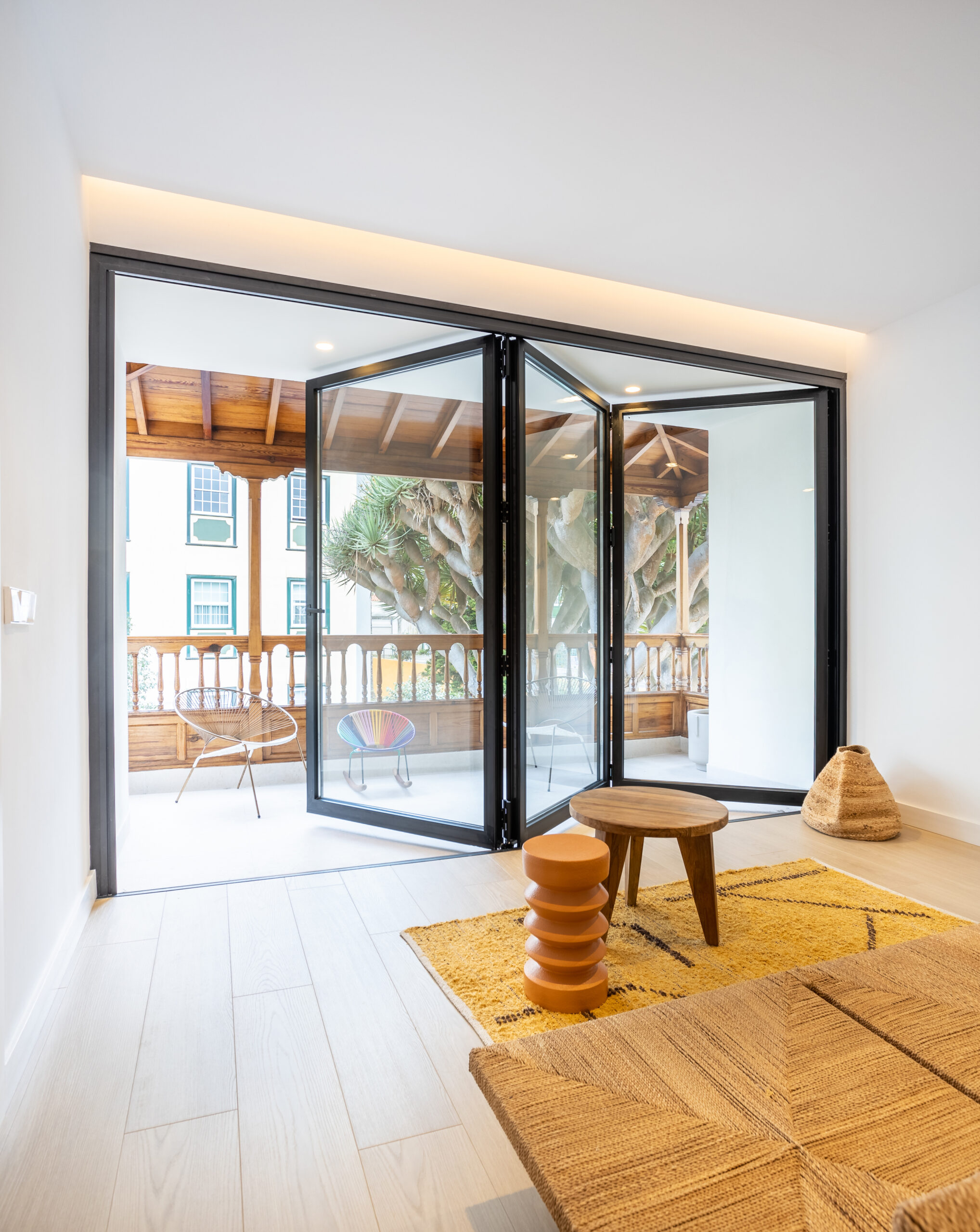

Most UK homeowners installing BiFold doors won’t need planning permission. Under permitted development rights, like-for-like door replacements and many new installations are covered without a formal application. But if you live in a conservation area or a listed building, the rules are different, and understanding those differences before you commit to a project can save you a significant amount of time and money.
Planning Permission vs Building Regulations: The Difference That Matters
Planning permission and building regulations are often confused, but they cover entirely different things.
Planning permission controls whether you’re allowed to carry out a given piece of work. It’s granted by your local planning authority and, for doors and windows, it’s primarily concerned with how the change affects the external appearance of your property.
Building regulations are national standards that govern how the work must be done. All new door installations must comply with building regulations for thermal performance, structural integrity, and safety, regardless of whether planning permission is required.
One important note for homeowners weighing up their options: secondary glazing doesn’t change the external appearance of a building. That’s why it typically doesn’t require planning permission, even in conservation areas. If you’re uncertain about your specific situation, always verify with your local planning authority before starting work.
Do BiFold Doors Fall Under Permitted Development Rights?
Permitted development (PD) rights allow certain home improvements to go ahead without planning permission, provided they meet specific criteria.
For BiFold doors, the general position is:
- Replacing existing doors like-for-like (same aperture size) is almost always covered by permitted development rights
- Widening an existing opening to fit BiFold doors is a structural alteration and typically requires planning permission
- Creating a new opening where none currently exists always requires permission
It’s also worth knowing that permitted development rights can be removed as a planning condition, particularly on some new-build estates. If you’re unsure whether your property has any planning conditions attached, you can check via your local council’s planning portal.
Conservation Areas and Listed Buildings: When the Rules Change
This is where BiFold door planning gets genuinely complicated, and where most planning disputes arise.
Conservation areas have additional restrictions beyond standard permitted development rules. Local authorities can require prior approval for changes that affect the character of the street scene, and some councils apply these restrictions even to like-for-like replacements. Conservation officers are particularly cautious about large-format aluminium BiFold doors in traditional streetscapes.
Secondary glazing is different. Because it’s fitted inside the existing window or door reveal, nothing is visible from the outside. Conservation officers across the UK consistently recommend secondary glazing for window treatments in conservation areas, precisely because it preserves the external appearance of the building entirely.
Listed buildings require listed building consent for any alteration that affects the character of the listed structure. This is separate from planning permission, and it applies to both internal and external changes. Installing BiFold doors in a listed building typically requires listed building consent, and applications are frequently refused if the installation would alter original fenestration or affect the historic fabric.
Secondary glazing for listed buildings is the accepted compliant alternative. It fits inside the existing window reveal, doesn’t alter the original windows or frames, and is approved for use in Grade I and Grade II listed buildings. We’ve installed systems at National Trust properties including Sudbury Hall, Hardwick Hall, Belton House, and Kedleston Hall. The feedback from Kedleston Hall is typical of heritage installations: “A great success and very unobtrusive. The existing heating is now more than capable of heating the house.”
Always verify with your local planning authority and conservation officer before starting any work on a listed building or in a conservation area.
What Conservation Area Homeowners Can Do Instead
If you’ve found that your BiFold door project faces planning obstacles, there’s a practical alternative worth knowing.
For window openings, secondary glazing delivers the thermal and acoustic improvements many homeowners are looking for from BiFold doors, without the planning complications. Our units fit inside original sash windows, bay windows, and period frames without affecting how the building looks from the outside.
Matthew James, who has a Grade II listed property built in 1850, describes the result: “Best investment in my property so far! Since I fitted the units condensation has been eliminated, no more draughts and external noise has been greatly minimised. They’re so good I’ve yet to put the heating on this year.”
We’re a Which? Trusted Trader with over 20 years in business, a 4.9/5 average across Google, Trustpilot, and Facebook, and a 10-year guarantee on all aluminium frames and glazing. You can also explore DIY secondary glazing options if you’d prefer to fit the units yourself, or compare secondary glazing vs double glazing to see how they stack up. Full performance data is on our thermal insulation secondary glazing page.
Frequently Asked Questions
Do BiFold doors need planning permission in the UK?
In most cases, no. Standard BiFold door installations are covered by permitted development rights, which means no planning application is required. The exceptions are listed buildings, conservation areas, and properties where permitted development rights have been removed as a planning condition. Always check with your local authority before proceeding.
Can I install BiFold doors in a conservation area?
It depends on your local authority. Some councils require prior approval even for like-for-like replacements in conservation areas, particularly where large-format doors could affect the character of the street scene. Secondary glazing is the lower-risk alternative as it doesn’t alter the external appearance of the building.
Do I need listed building consent for BiFold doors?
Yes, in most cases. Listed building consent is required for any alteration to a listed structure, including door and window changes. Applications are frequently refused where BiFold doors would alter the historic fabric or fenestration. Secondary glazing, which is reversible and fits inside the existing reveal, is the standard compliant alternative.
What is the difference between planning permission and building regulations?
Planning permission covers whether you’re allowed to carry out a piece of work, set by your local planning authority. Building regulations cover how that work must be done, and apply to all new door and window installations regardless of planning permission status.
Is secondary glazing an alternative to BiFold doors in conservation areas?
For window openings, yes. Secondary glazing improves thermal and acoustic performance from the inside without altering the external appearance of the building, which is why conservation officers recommend it. It typically requires no planning permission at all.